
 Home > Catalogs & Schedules
Fall Semester 2026
Our 2026 Fall Semester Began Monday, August 24
Get a glimpse of what our Fall Semester looks like! Explore course highlights, preview classes, and take the first step toward enrollment.
Follow the links below to explore class schedules or let us connect you with a professor for more information and course-related resources.
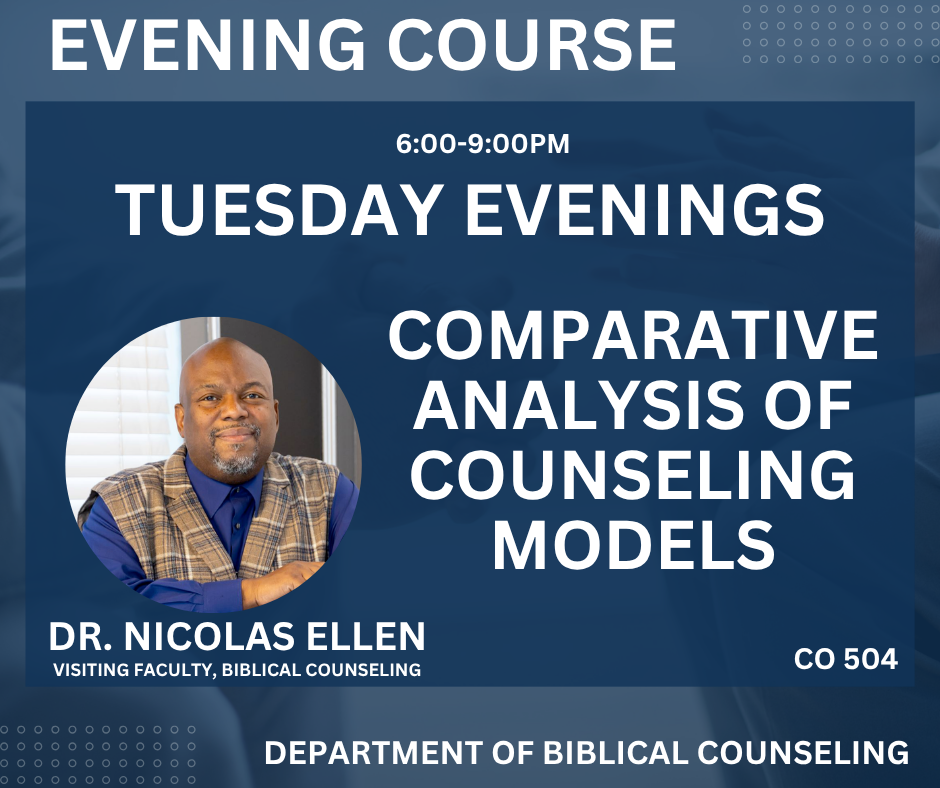
Comparative Analysis of Counseling Models
Dr. Nicolas Ellen
This course will compare and contrast biblical counseling, integration counseling, and psychological counseling, and it will demonstrate the supremacy of biblical counseling to the other schools of thought.
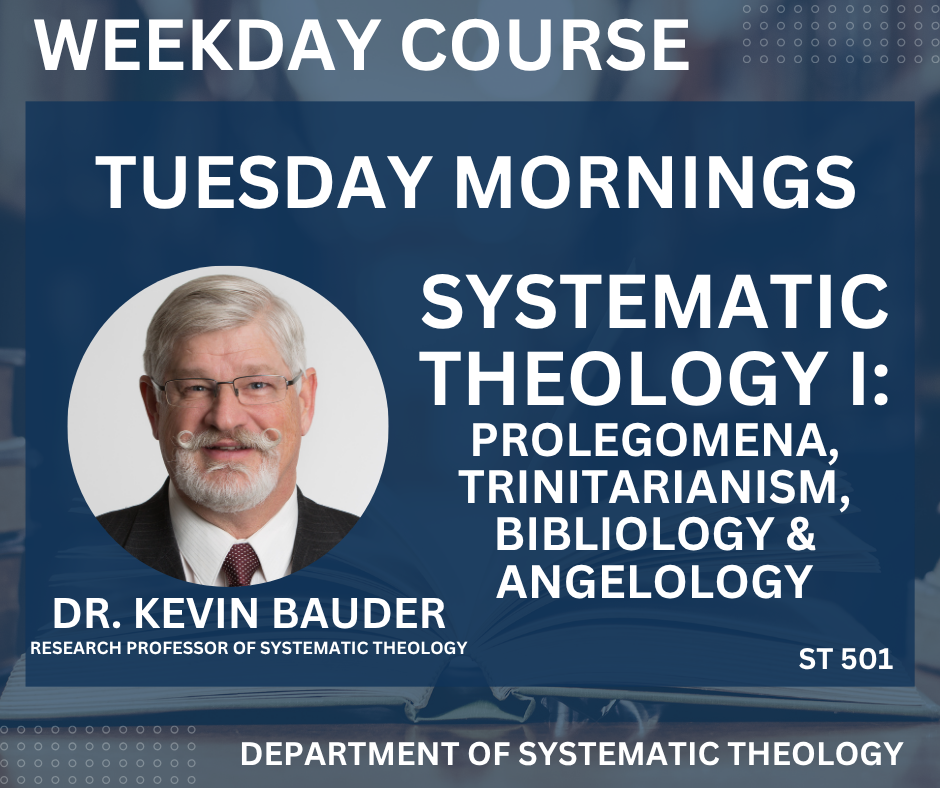
ST 501 Systematic Theology I: Prolegomena, Trinitarianism, Bibliology, Angelology
Dr. Kevin Bauder
A study of theological prolegomena (the nature, method, and sources of theology), as well as theology proper (the doctrine of God, with special emphasis upon the unity, diversity, and properties of the persons of the Trinity), bibliology (including both natural and special revelation), and angelology (including a study of all classes of created spirit beings).
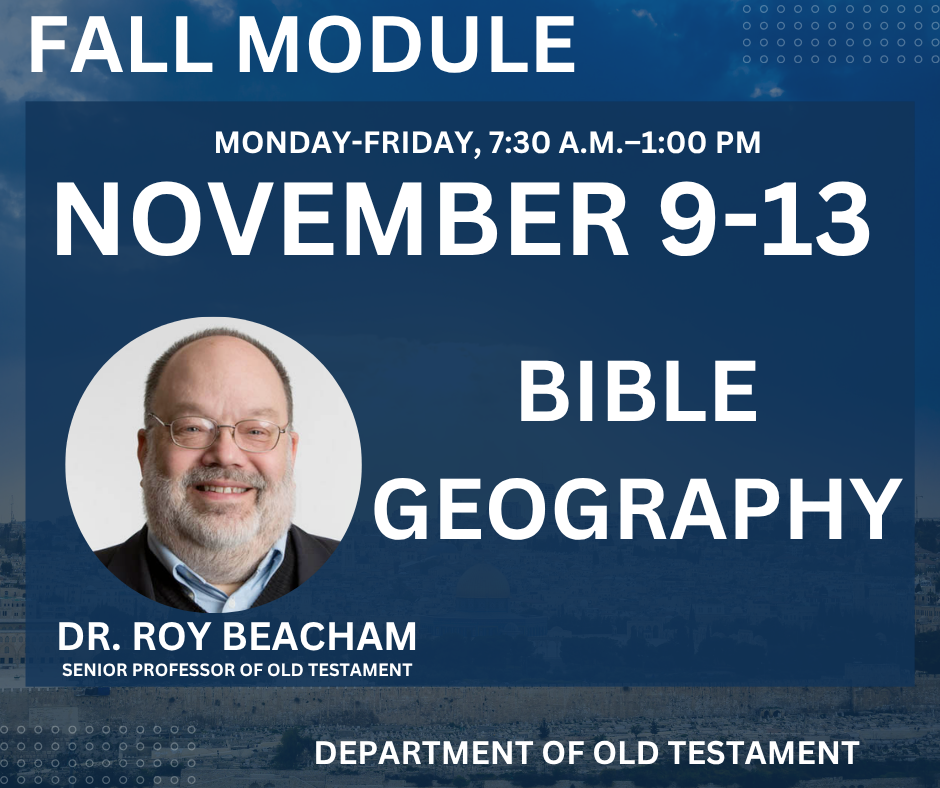
Bible Geography
Dr. Roy Beacham
A concentrated study of the various geographical and topographical features of Israel and the surrounding regions together with an examination of some of the impact of these features upon the flow of biblical history. This study includes lectures, map work, historical reviews, and detailed visual presentations.
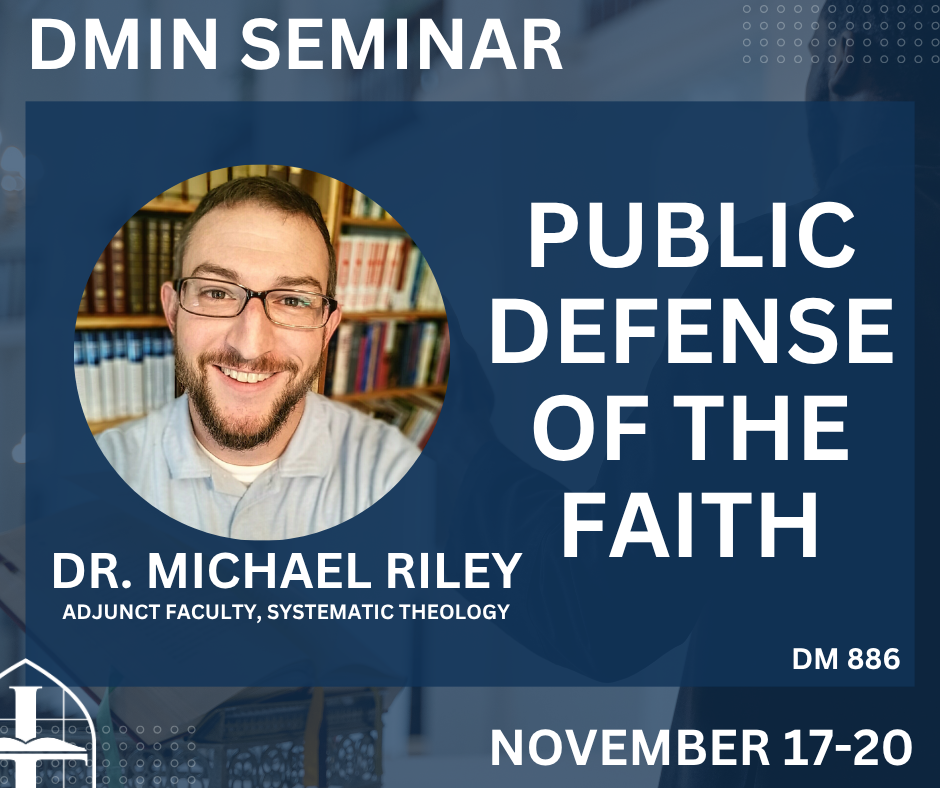
Public Defense of the Faith
Dr. Michael Riley
This course prepares ministers at an advanced level to address contemporary challenges within their own churches and communities to the Christian system of faith and practice.
Learn more about our Doctor of Ministry program.
Key Dates & Events
Fall Semester
Friday, August 21 New Student Orientation
Monday, August 24 First Day of Classes
Tuesday, Oct 13 Fall Conference with Dr. Daniel B. Wallace
Nov 9-13 Modular I Courses
Nov 11–13 Fall ThM Seminar Meets
Nov 16–20 Modular II Courses
Nov 17–20 Fall DMin Seminars Meet
Nov 25–27 Thanksgiving Break – No classes
Friday, Dec 11 Last Day of Classes
Dec 14–18 Finals Week
Check out the full class schedule for Fall 2026


Evening classes accommodate students with daytime employment. We are excited to see these growing in enrollment.
Complete the core classes of the M.A.B.C. this way.

Weekend courses meet on four weekends through the semester on Friday evenings and Saturday mornings.
Courses begin in January, May, and September.

Central offers one-week module courses four times a year: January, March/April, June, and November.
Our Th.M. & D.Min. Seminars utilize this format to allow pastors to join without missing a Sunday.

Our morning classes focus on the original languages with Hebrew & Greek Grammar and Exegesis for M.Div. students.
Each of the Systematic Theology courses alternate between morning and evening offerings.

Looking to start a class?
Visit our Catalogs & Schedules page to see how your classes could fit into your work and ministry obligations.
Fully Accredited, Distance Education
Central Seminary has designed a distance education program that is different from most. It puts the distance student in the classroom during the class. Through multiple high definition cameras and monitors, advanced sound equipment, and the best conference software available, distance students will be able to interact live with each class.
Central Seminary’s distance education program is not a separate program – it’s only a medium. None of our academic programs have been lessened and every requirement is the same. The only difference between resident students and distance students is just that…distance. All of our programs are offered in their entirety through this medium.
- Learn theology from theologians.
- Learn history from historians.
- Learn Greek and Hebrew from people that know them.
- Learn ministry from pastors, not programs.
- Be a student, not a consumer.
What about library resources?
Both resident and distance education students have access to an online library of over 1.4 million volumes, including electronic databases such as EBSCO. Borrow eBooks and journal articles to supplement your research.

APPLICATION & AID